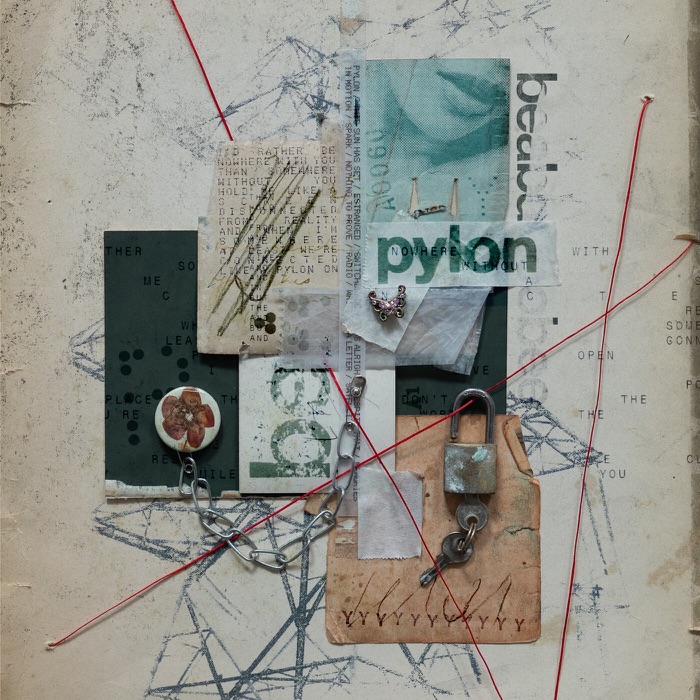
Mule: Orville Peck drops the character, keeps the mask
Orville Peck's fourth album runs in order through the overdose, the rehab and the sober November after. Thirteen songs, almost no distance.
BY JOLT Staff · SEP 19 2026 · 3 min readMule is the record Orville Peck made after a year that nearly finished him, and it does not pretend otherwise. Fourth album, out September 18 on Warner: thirteen tracks, all co-written, running in order. The voice has not changed, a calm bass-baritone in the register Johnny Cash and Roy Orbison left behind, and the weight it carries is new.
Peck has been a masked man in public since 2018 and a recording artist since Pony in 2019, which he produced himself at The Noise Floor on Gabriola Island while working in a coffee shop and living with his parents. Show Pony followed in 2020, Bronco in 2022, Stampede in 2024. Stampede was a duets record, crowded with other people. Mule pulls back to one narrator, brings back Jay Joyce, who produced Bronco, and spends thirteen songs on the stretch between the overdose his team found him in and the sober November after it.
“I still hurt sometimes, but now I think I have the courage to face it.”
It was cut with Joyce at Neon Cross Studio in Nashville, with Peck's five-piece touring band in the room. The guests include Molly Tuttle, Ketch Secor of Old Crow Medicine Show and Teddy and the Rough Riders, and bluegrass is the frame he says he chose because he is a fan of it. The opening track, "Prologue (Eulogy Of A Man Turned Mule)," hands its harmonies to Noah Cyrus, Allison Russell and Emmylou Harris, three voices singing words he wrote. He has said he was nervous to put this one out. Starting with other people's voices is one way to get the room ready.
The running order is the argument. Side one is the fall: "Big Ol' House," "Already Gone," "Rehab Blues," and then "Ring the Bell," which is where the record laughs, once. The lyric about making out with a guy on the Raiders is true, and Peck has said he got permission from the player first and that the man was thrilled by it. A joke that specific, dropped between "Rehab Blues" and "The Fall," buys the record its next twenty minutes.
Side two does the rebuilding and takes its time. "Cowboy Heart," then "The Breeze, The Grass, The Mourning Dove And Me," the one pastoral title in a run of wreckage, into "Run Out Of Road" and "Too Little, Too Late." That last one came out as the lead single and sits at eleven of thirteen, a strange spot for a single and the right one here: the apology turns up after the damage has been itemised. "War Of The Worlds" and the closing "Mule" bring the title back around, a name taken from the animal that is half horse, half donkey, bred to work and stubborn, and which carries a drug connotation he has said he finds funny.
That is a lot of first person, and it is meant to be. The record is for the listener who wants country music doing the job it does best, which is putting the worst of it on the table and not walking away from it. It is not for anyone who came for the rodeo.
Where it loses me is pace. "Too Little, Too Late" is buried at eleven, and from "Cowboy Heart" through "War Of The Worlds" the record holds a single register. The chronology is honest, but honest is flat: a fall and a climb leave no room to stand outside and see the shape of it.
Mule is a 3.5. It is the most exposed writing he has done, and the singing holds every bit of it. What keeps it off a higher mark is the shape: a record this chronological can only travel one way, and by the last third you know where it is going. "I still hurt sometimes, but now I think I have the courage to face it," he has said of where he landed. The hurt is still in there, and the record is better for it.