Splayed Werks: Tyondai Braxton opens the drawer
Fifteen pieces made between 2018 and 2025, singles and commissions and fragments, sequenced by the former Battles man as though they were an album.
BY JOLT Staff · SEP 2 2026 · 4 min readSplayed Werks is a container: fifteen tracks, seventy minutes, material Tyondai Braxton made between 2018 and 2025. Singles, commissions, unreleased fragments, which is the drawer every working composer keeps and few empty in public. The contents have been arranged into a sequence with more discipline than most finished records get, and the best of it stands beside his proper albums.
Braxton has two careers bolted together, and both are audible here. He co-founded Battles in 2002 and left in 2010, after Mirrored (2007) made the group one of the most acclaimed bands of the decade out of electronics, effects and odd technique. Before that came solo work: History That Has No Effect, on JMZ Records in 2002, guitar and voice and pedals layered into loops. After Battles he went orchestral. Central Market (2009) put chamber orchestra and electronics in the same room, was played by the BBC Symphony Orchestra, the London Sinfonietta and the Los Angeles Philharmonic, and became a ballet. Commissions followed: TREMS for Bang on a Can All-Stars, Uffe's Woodshop reworked for Kronos Quartet, Fly By Wire for Alarm Will Sound by way of Carnegie Hall. HIVE1 (2015) turned that hyperactivity into close, controlled construction. Telekinesis (2022) went symphonic. Splayed Werks shares most of its DNA with HIVE1 and almost none with Telekinesis, and you can hear which room he is standing in from the first minute.
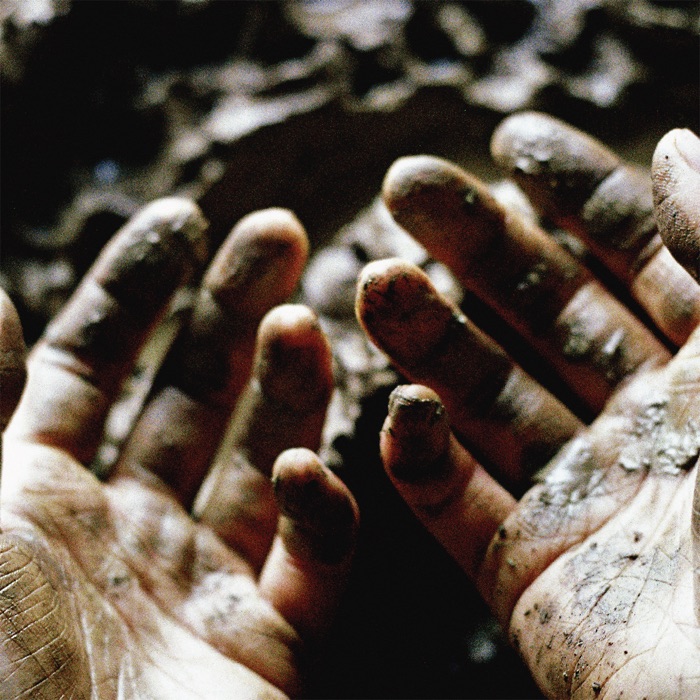
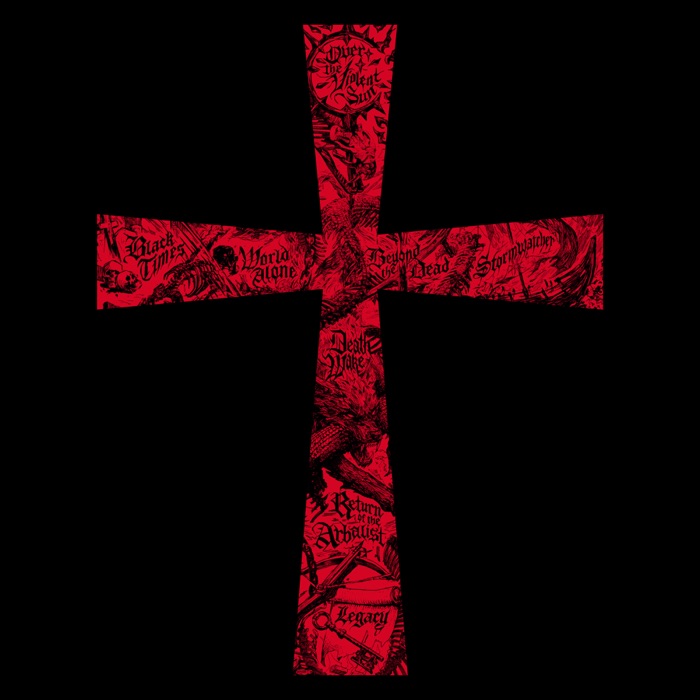
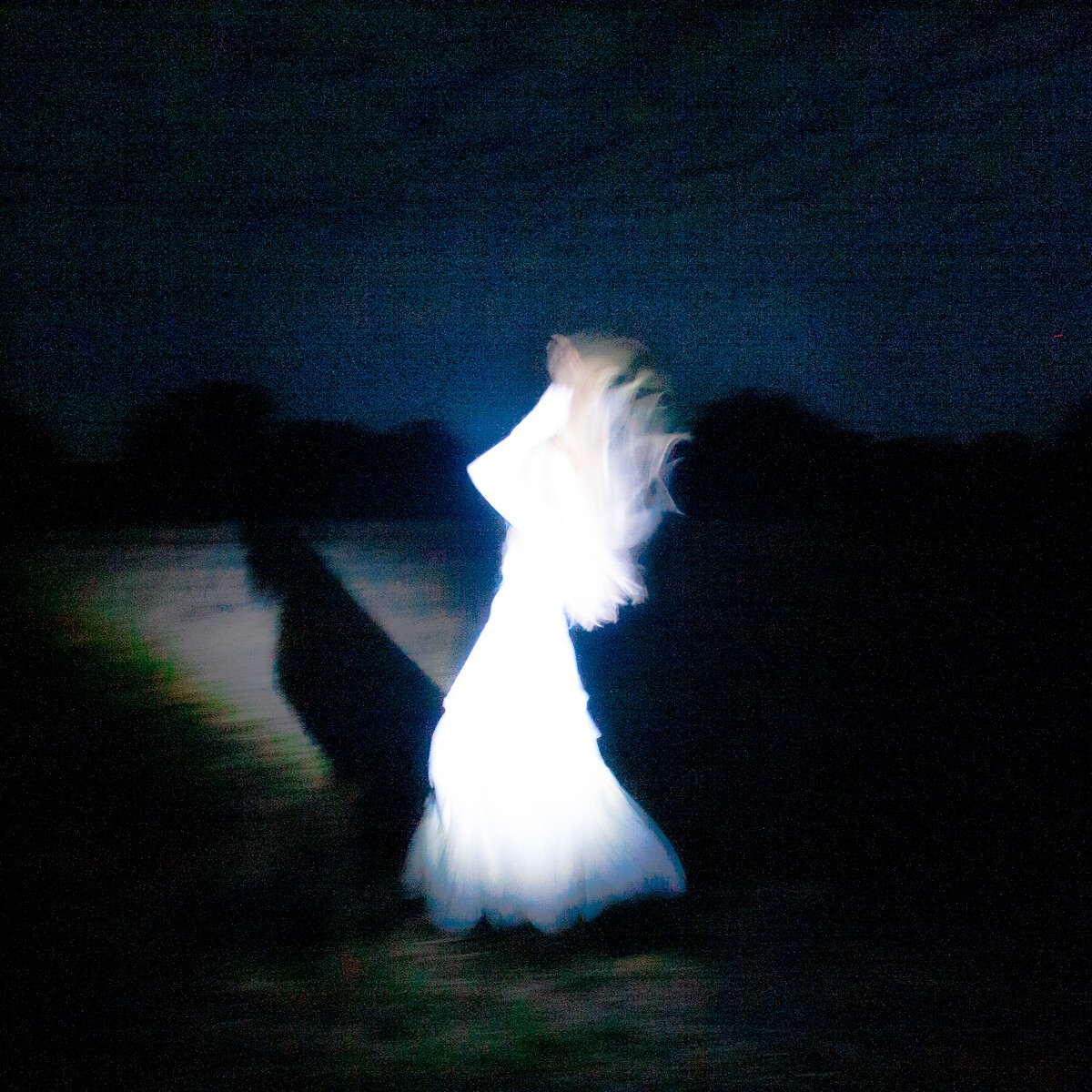
Erased Tapes is the label, on vinyl as well as digital, and Braxton did most of the rest himself: composed, produced, mixed, and credited on electronics, synth, sampler, guitar and piano. Matt Colton mastered it, Bernd Kuchenbeiser designed it, Ebru Yildiz took the photographs, Braxton painted the cover. The pieces were written for other occasions across seven years, and the real work of the record is editing them so they flow into their new surroundings. His subject is the practice itself: catching ideas as they arrive, which he treats as the essential task for a composer in a climate of conflict and media saturation.
Bell Smear opens it at just under two minutes: pitch-shifted gongs processed slowly, pads bright enough to make you squint. It is a doorway more than a track, and it sets the terms: any sound here can be pushed until it becomes another sound. The record crosses back and forth over the line between recognisable and unrecognisable without ever announcing the crossing.
Multiplay is the first thing that grips. An off-beat tangle of braindance twitches, synthesized vowels surfacing through the middle, drums that refuse to land where a drum should. Dia sets you spinning first, panning hard from left to right until disorientation stops being an effect and becomes the material, then resolves into a boogie with real swing under it. Vali sends an analogue-digital brass section through something like furniture music for a room nobody could sit in. Three tracks in and the range is already unreasonable: club music, chamber music, neither.
UnFS is the scuzziest four minutes on the record, minimal electro with funk in its fingers. Salt Point spreads its palette wide and then cuts it into strips, giallo stabs landing between the pieces. Nimble FX goes for scale, huge sweeps and bouncing bits and digital quirks piled until the structure leans. Piiano treats the piano electronically, prepared so that it reads as a signal source more than an instrument, and it is the most patient stretch here.
4 Zones runs eight minutes of abstraction close to orchestral without an orchestra, built with a watchmaker's attention. K Space, the longest piece at over ten, started life as a commission and has been edited into its place; subterranean tremor and nervous electronic ticks move underneath it, and it ends up the centre of gravity. Multiplay II frames long stretches of the record around the first Multiplay, and the pair of them is the closest thing here to a thesis.
It is for the people who took HIVE1 seriously, and for anyone who follows Erased Tapes and the braindance end of this music: the Autechre ear, the Bogdan Raczynski ear. Anyone who came to Braxton through Mirrored and wants a fourth Battles record will not find it here, and this is not background listening, whatever the pads promise. The flaw is the format. Fifteen pieces made for other occasions cannot fully hide where they came from, and the middle sags: Realistic Water and Clouds of are two and three minutes of hinge, holding the sequence together and giving you little to hold on to.
Everything around that says the drawer should have been opened sooner. K Space and 4 Zones would earn their place on any of his albums, Bell Smear and Multiplay are not fragments in any sense that matters, and the seven-year span never reads as a scrapbook thanks to one decision the format did not require: he sequenced it as an album. Splayed Werks is a 3.5. K Space is worth the seventy minutes on its own.