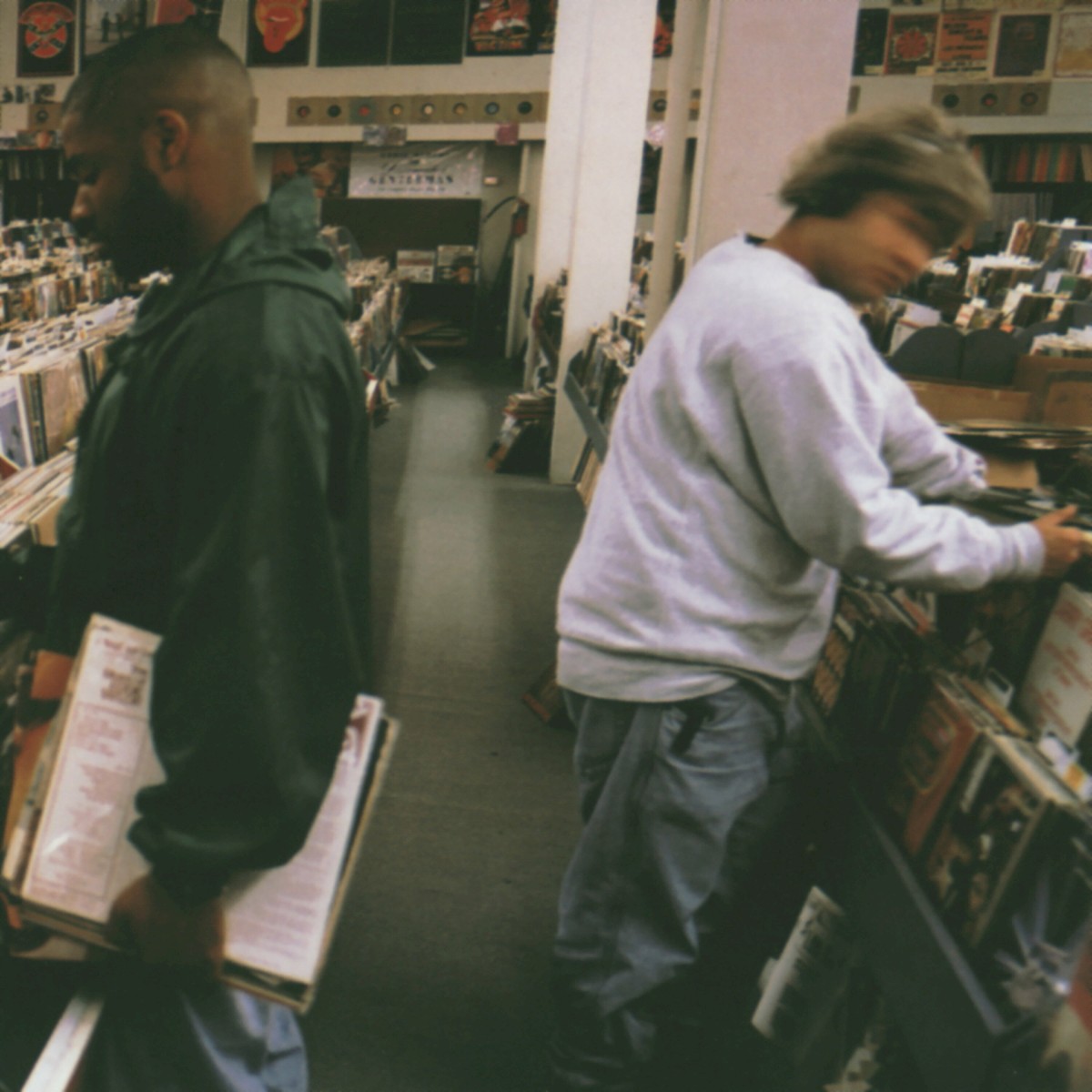
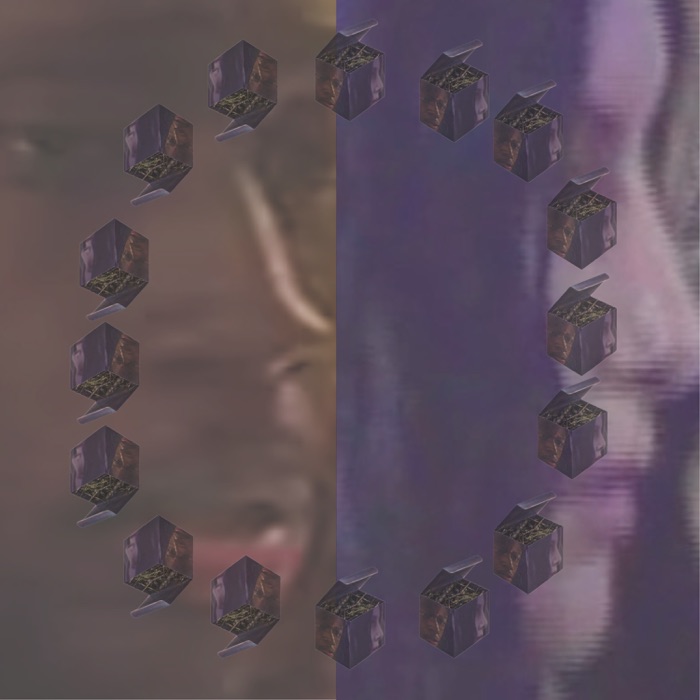
Wendy Eisenberg stretches two songs to forty-six minutes
A live companion to April's self-titled album: 'Meaning Business' and 'The Walls' taken apart by the same band, one of them for thirty-seven minutes.
BY JOLT Staff · OCT 21 2026 · 2 min readWendy Eisenberg's Wweennddyy Eeiisseennbbeerrgg is two songs and forty-six minutes, both of them played live by a band with no interest in a clock, and for most of the runtime it justifies every second. Part of the first track does not.
Eisenberg came up in jazz and has spent the years since refusing one shelf: noisy rock, intimate folk, pop structure, abstraction, often in the same season. The records run from Cellini's Halo through Accept When to Viewfinder, each one picking a different piece of that range. The self-titled album in April narrowed it into songs, folk-leaning, mixed by Mari Rubio, with Ryan Sawyer on drums and Trevor Dunn on bass.
“Why not literally stretch them, and my songs, out? I want to feel when a slowed-down song becomes ambient music, becomes jazz, becomes something else. Experimental music; an experiment. Hopefully not chopped, but definitely a little screwed.”
Those are the same players here, and Rubio mixes again. It is out now on Joyful Noise, released 21 October: 'Meaning Business' and 'The Walls', the words doubled in the lettering, the takes stretched. Eisenberg's reason is jazz-shaped, wanting material that survives its own production, a standard that sounds different passed through different hands and time.
'Mmeeaanniinngg Bbuussiinneessss' takes 37:05. The form holds. The parts between the corners are what give: verses slowed and pitched down, a section sliding into a solo, the solo thinning into something close to ambient music, then jazz, and the chorus landing so late you had stopped waiting for it. Dunn and Sawyer play time instead of fills. Rubio's violin sits on the line between written and not, and you hear the band decide, in real time, how far out is too far.
'Tthhee Wwaallllss' makes the same argument in nine minutes, which is why it wins. The tune, the drift and the return are all audible at once. It is a song about memory run through a process about length, and Eisenberg has said the point was to hear the time inside it differently; on this take you do.
It is for anyone who played the April record and wanted the long version, for people who treat a song as a container rather than a shape. It is not for anyone who needs the hook on schedule.
What does not work sits in the middle of the first track. Two passes through the slowed theme and the solos stop compounding; the playing stays sharp and the architecture goes slack. Thirty-seven minutes needs a spine, and this one borrows a spine from the chorus return instead of building one.
The experiment is still worth the cost, and the nine-minute take proves the method outright. Three and a half. Play that one twice.