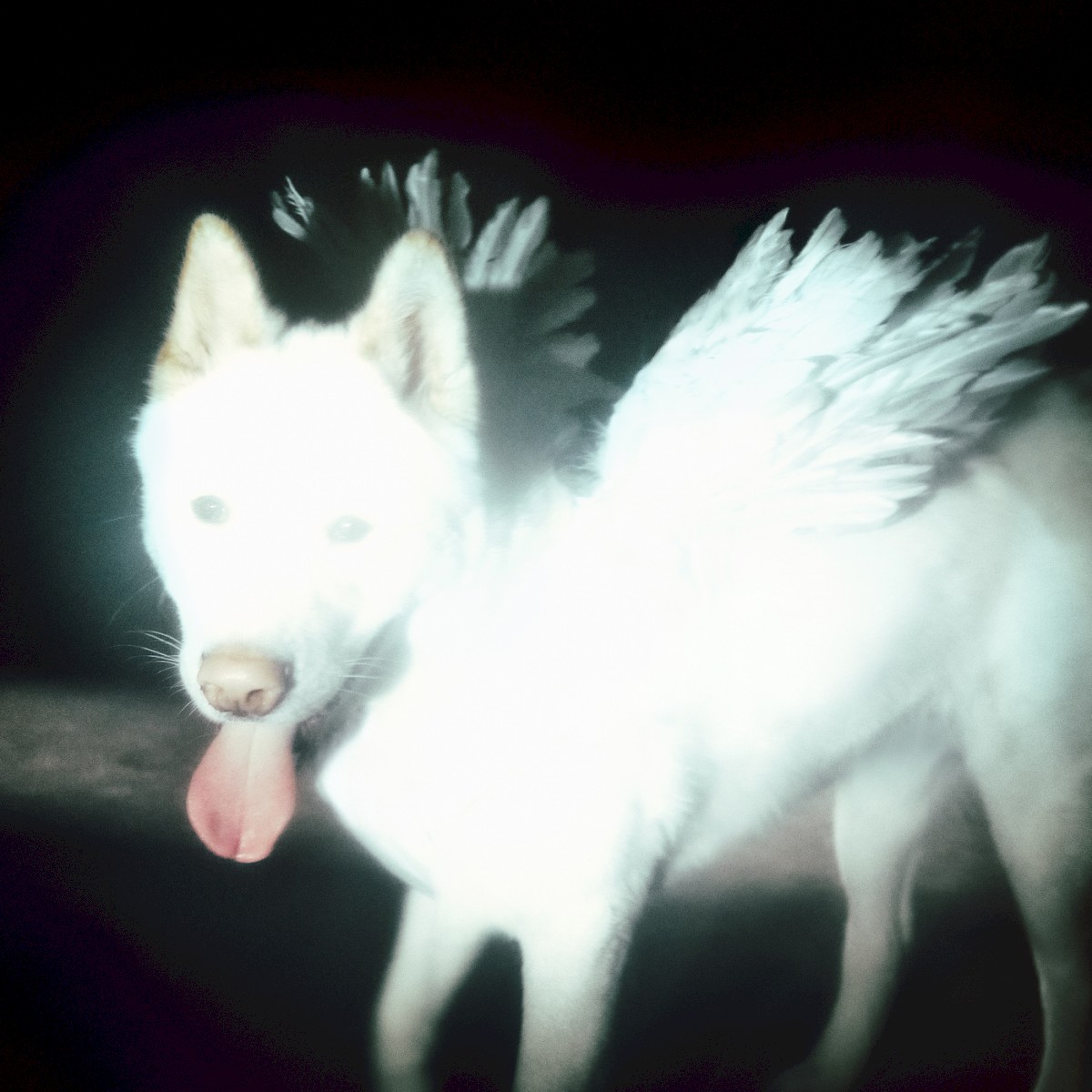
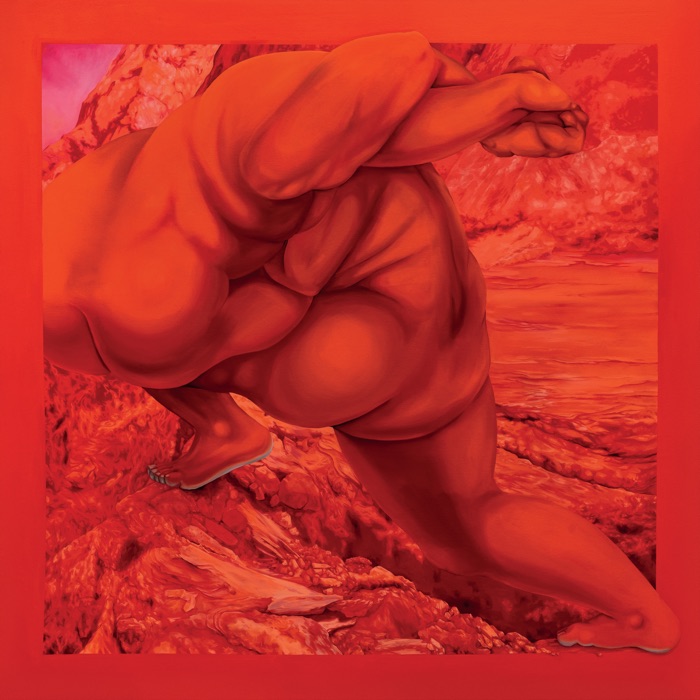
Deafheaven keep it short on At Work in the Fields of the Bomb
The San Francisco band's surprise EP runs three songs and 23 minutes, no guests, built from a 1987 photo book about the people who made nuclear weapons.
BY JOLT Staff · OCT 10 2026 · 2 min readDeafheaven surprise released a three-track EP on October 9, and nothing on it is soft. At Work in the Fields of the Bomb runs 23 minutes, has no guests, and picks up where last year's Lonely People With Power left off.
The band formed in San Francisco in 2010, George Clarke and guitarist Kerry McCoy recording a demo on borrowed gear before signing to Deathwish and releasing Roads to Judah in 2011. Sunbather followed in 2013, then New Bermuda in 2015 and Ordinary Corrupt Human Love in 2018. Infinite Granite, in 2021, pulled back the metal and handed the vocals to clean singing. Lonely People With Power undid that. This EP is the far end of that swing.
“explores the unsettling contrast between the unimaginable consequences of the bomb and the mundane actions that make such destruction possible, focusing on the choices and systems that lead us toward irreversible moments.”
Its title and concept come from Robert Del Tredici's 1987 book of the same name, a photographic record of nuclear weapons production and the people who did the work. The record sits between the ordinary shift and the irreversible result. Where Lonely People With Power had Interpol's Paul Banks and Boy Harsher's Jae Matthews, this one has nobody. Arthur Rizk engineered, mixed and mastered it, and it is out on Roadrunner.
Everything on it is loud, and it never lets up. The Hunter opens the set and arrives with a short film directed by Clarke and Nico Poalillo. Three Princes follows, and there is not enough of it to build an argument of its own. Sorry Laid The Hearth closes the EP at 13 minutes, intensity climbing to the end, and that is where the record's weight sits.
Kerry McCoy has said this is the heaviest and the hardest thing the band has done. For once the claim is easy to check: the whole record is short enough to play twice in a row, and there is no soft landing in it. It is for anyone who wanted Lonely People With Power louder still, and for anyone who heard Infinite Granite and wanted the metal back. Deafheaven spend the rest of 2026 on tour with Mastodon.
The fault is structural: three songs is thin room for a record about systems and complicity, and the argument rests on two of them. It works as a proof of concept; as a statement it is a fragment.
Four, and it is earned. Nothing here is filler, the closer justifies every minute of its length, and the band has come out of a short heavy record with more shape than most manage on a full one.