Chuck Strangers puts songcraft first on Glory of the King's Hand
The East Flatbush rapper and producer executive produces his own album, with beats from The Alchemist, Kenny Segal and Preservation. The credits are long; the songs are short.
BY JOLT Staff · JUL 10 2026 · 3 min readChuck Strangers has spent a decade as the rapper standing on somebody else's beat. Glory of the King's Hand argues for the other arrangement: 17 tracks he executive produced himself, a producer roster he assembled, and a stated interest in songs over volume. "I really tried to make better songs that people might want to hear again," he says. Mostly he does. The record is at its strongest when he hands the beat off and then out-raps it.
He is from East Flatbush, Brooklyn, and gets described as a heavy-tongued griot, which is about right for a rapper whose voice arrives a half step before his writing does. The run behind this album goes back to Albee Square in 2015, through Consumers Park (2018), Too Afraid to Dance (2020), The Boys & Girls EP (2023), A Forsaken Lover's Plea (2024), Affordable Luxuries (2024) and Token of Appreciation (2025). Nothing about that pace suggests an artist in need of a reset. The job description has changed: he now works as a producer in the Quincy Jones sense, calling in vocalists, beatmakers and players and letting them collide.
“I made a lot of conscious [musical] decisions”
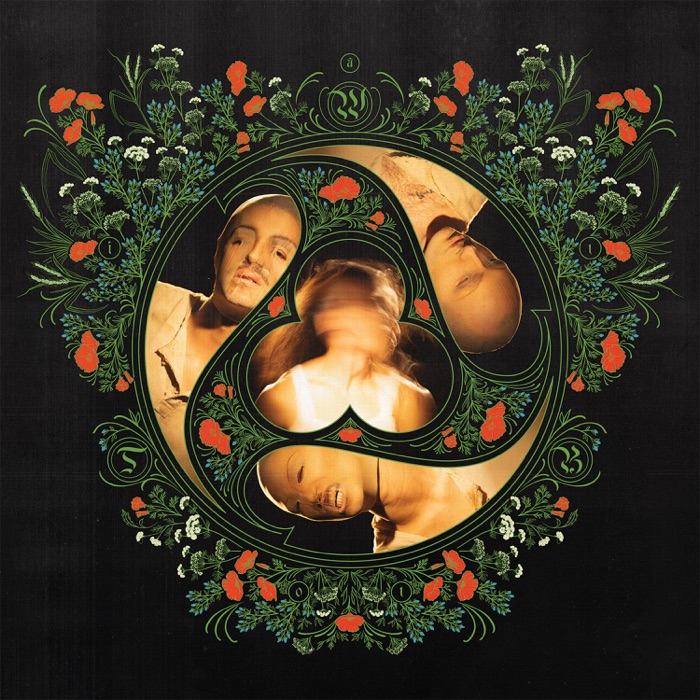
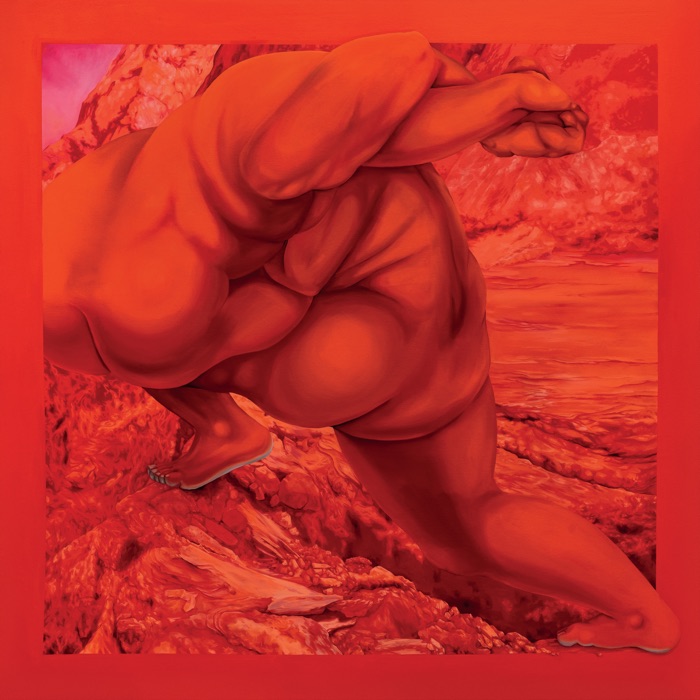
Glory of the King's Hand is out on Lex Records, released July 10, 2026, with vinyl, CD and cassette pre-orders shipping on or around September 28. The limited run is 250 copies of 180g smoke vinyl with custom playing cards designed by Commission Studio and produced by the United States Playing Card Company tucked in the sleeve. Trevor Wright mixed it, Mike Bozzi mastered it, Frank Merritt cut the vinyl at The Carvery in London, and Chuck executive produced. "I made a lot of conscious [musical] decisions," he says. The sequencing is where you hear them.
The palette is narrow and warm: Fender-Rhodes, drums that nod, vocals treated until they smear at the edges. The producers rotate around that constant. The Alchemist, Animoss, Theravada, Kenny Segal, Preservation, Child Actor, Human Error Club, Morriarchi and JUNIE all take a turn, and Chuck produces a couple himself. On paper it should sound like a compilation. It does not, mostly because the drums stay in one pocket and the rapping never leaves it.
Human Error Club take the biggest spots: 'Intro', 'Outro', and the long one in the middle. 'Breaking Atoms' is the centerpiece, and its 5:38 runtime is the only number worth quoting. Chuck and billy woods trade verses over a loop built from the trio's improvisations, Rhodes and drums holding still while the writing does the moving, then Zeroh's psychedelic vocals bend the last stretch out of shape.
'Everyday' and 'Miracle Miles' both bring in Obii Say, and the two tracks sit far apart, one near the top and one at the halfway mark, which keeps the album from reading as a single guest pass. 'Malcom' and 'G Pack' are the Animoss cuts, one early and one near the end, and they share a temperament even from that distance. 'Torn in Two' gives The Alchemist the beat and gets a heavier middle out of it. 'Bomberman' is a Kenny Segal sketch that ends before it lands.
Preservation gets two, 'Solo' and 'Rebeldia', and 'Rebeldia' is the one that keeps its footing. 'Goodfind' opens like it has somewhere to go and then stops. 'Class Picture (Reprise)' is a fragment with a producer credit from JUNIE and a title that promises a return trip the album never makes.
This is for anyone who keeps billy woods and Kenny Segal within reach and wants that appetite served without the fog. It plays in a car, not on a couch. The flaw is arithmetic. Six of the 17 tracks run under two minutes, and the two reprises are ideas the record does not come back for. Seventeen tracks is more than the material needs, and four of them are leftovers.
The hit rate still carries it. Guest verses land, the beats stay in one world, and the writing is the reason to come back. He said he wanted songs people would play twice. That is a 4, and the songs earn it.