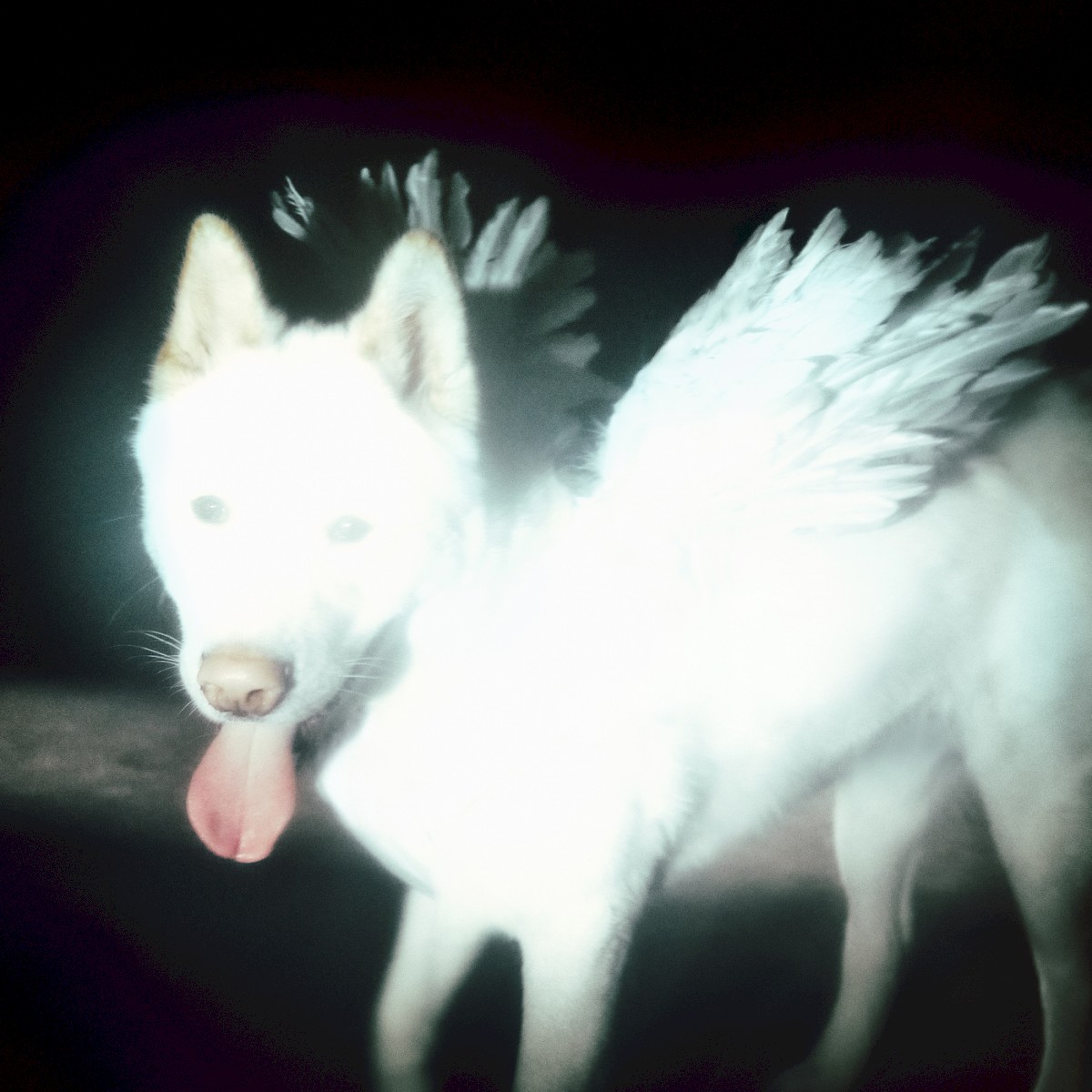
HIKARIGASASHIKOMU: Foodman loops his own humming into fourteen tracks
Takahide Higuchi returns to Hyperdub with fourteen short tracks cut from his own voice, children's rhymes and footwork. His warmest record is also his most restless.
BY JOLT Staff · JUL 24 2026 · 3 min readHIKARIGASASHIKOMU is the warmest record Foodman has made, and the least willing to let you settle. Fourteen tracks, almost all of it cut from Takahide Higuchi's own voice and turned into loops. It is a generous album, and a fidgety one.
Higuchi has released as Foodman since 2011, coming up through Japan's footwork and juke scene in the early 2010s, and that training still shows in the way his tracks snap and stagger. The records since have fanned out: Ez Minzoku in 2016, its off-kilter rhythms carrying electronic horns, woodwinds and flutes; Moriyama in 2018; Yasuragi Land in 2021. He works as a producer, DJ and painter, and the range is real. Footwork, ambient, techno, house and noise sit in the same body of work, and where they meet is usually the interesting part.
“casual everyday humming with my own sonic palette”
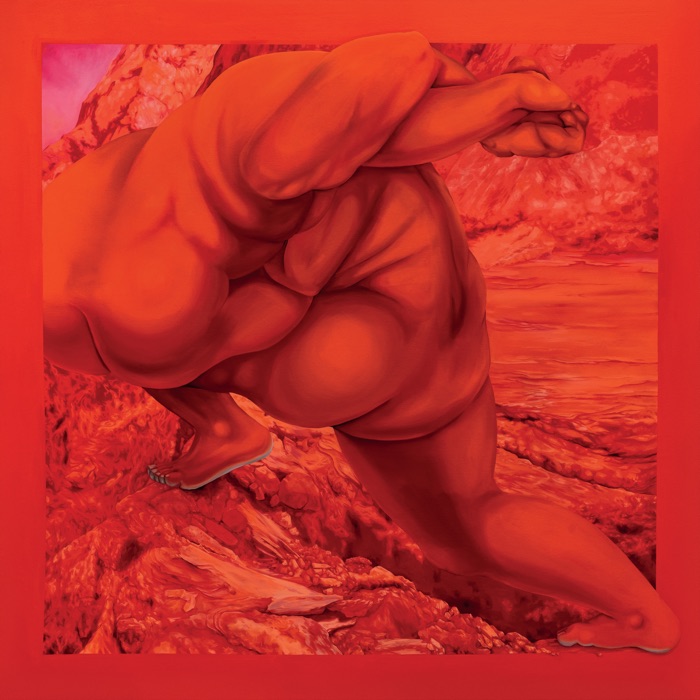
HIKARIGASASHIKOMU follows uchigawa tankentai, the 2023 EP for Hyperdub that took his creative process and his relationship with music apart during a difficult stretch. The title translates as Light Shines in, a phrase for hope found in a bad place, and the album treats it as a report. One track from that EP, hoso michi, was the hinge that opened this body of work. The album is out on Hyperdub, on digital and vinyl, with the sleeve by Plus Minus Studio, who also designed Yasuragi Land.
Everything is built on the voice. It loops, breaks into pieces, speeds up, slows down, gets thrown around, and the sounds around it answer back: woody percussion, cartoon squiggles, a burst of spiralling psychedelic effect that turns up and leaves before you have named it. Fragments of Japanese children's songs and playground rhymes sit in the mix, next to everyday thoughts nobody tidied up first. Underneath, the skeleton comes from footwork, ghetto house and baile funk. The tempo and the snap are borrowed. The singing is his own.
Nakamamo opens with the case stated: a voice cut into a loop, a beat that keeps losing its footing, and no interest in waiting for you to catch up. Hikariga wears the album's phrase as a title and is over almost as soon as it arrives. Then Hard Reclining does what the rest of the record will not, and becomes a relaxed, conventional song. It works: the hand on your shoulder through the chaos. Hoso Michi, the shortest thing here, is the name he carried over from the EP, a turning point he decided to keep. Kokizami is the longest cut, the one place a groove stands still long enough to be looked at. Totemo ends it and shuts the door.
This is for anyone who keeps the Hyperdub catalogue within reach, and for the people who played that 2023 EP to death and wanted a room built out of it. Headphones, one sitting, a walk. If you need a chorus to hold on to, there is Hard Reclining and very little else, and that will be the one you keep.
The method costs something. Fourteen tracks, several of them gone in the time most records spend on an intro, and because every one is built from the same material the sequencing has to carry more weight than is fair. Somewhere around the eighth cut it starts to feel like one long room with the furniture moved. The blur is the price of the concept, and Horomiro and Kaben are the tracks that pay it.
That is not enough to sink it, and it is not a flaw the record seems bothered by. HIKARIGASASHIKOMU is a 4: the warmth is real, the editing is the work of a producer still curious about his own material, and Hard Reclining proves he can write a plain song when he stops trying to prove anything. It is the light after the digging, and the digging is audible.