Jens Lekman hands the wedding songs to other people
The follow-up to Songs for Other People's Weddings runs seventeen tracks on Secretly Canadian, with Matilda Sargren singing on four of them.
BY JOLT Staff · JUL 3 2026 · 3 min readJens Lekman spent a whole record writing other people's wedding songs. This one hands the microphone over. Five of the seventeen tracks on Other People, Other Wedding Songs carry a second voice, Matilda Sargren on four of them, Peter Oren on one, and the company is the best thing about it. It also runs past eighty minutes, which is a long reception.
He is from Angered, on the edge of Gothenburg, born in 1981, and he took the long route in: bass in a friend's cover band at fourteen, then hundreds of songs pressed as CD-Rs under the name Rocky Dennis, borrowed from the film Mask. A pile of those reached Secretly Canadian, who signed him for releases outside Sweden, after 'Maple Leaves' and 'Black Cab' had gone round Swedish national radio. When I Said I Wanted to Be Your Dog arrived in 2004 and reached number six at home. Night Falls Over Kortedala came in 2007, then I Know What Love Isn't in 2012, Postcards in 2015, Life Will See You Now in 2017, Correspondence in 2019, and last year's Songs for Other People's Weddings, the record this one continues.
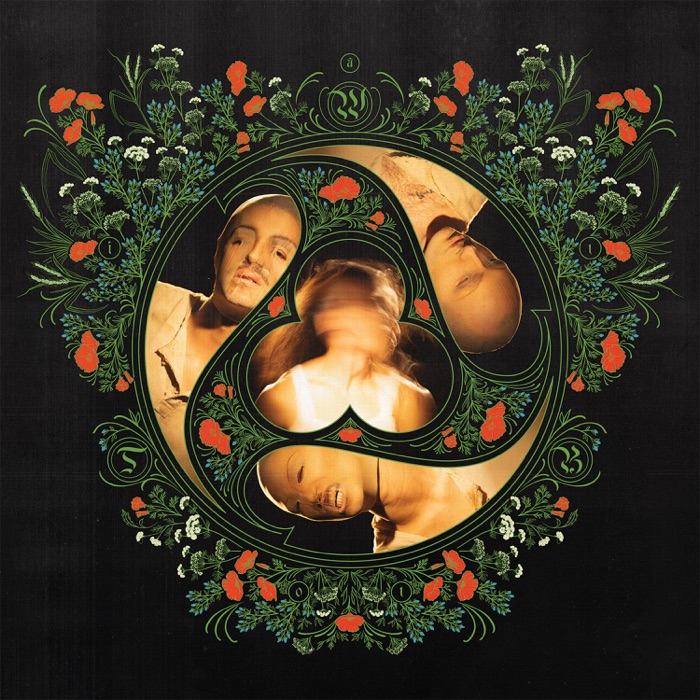
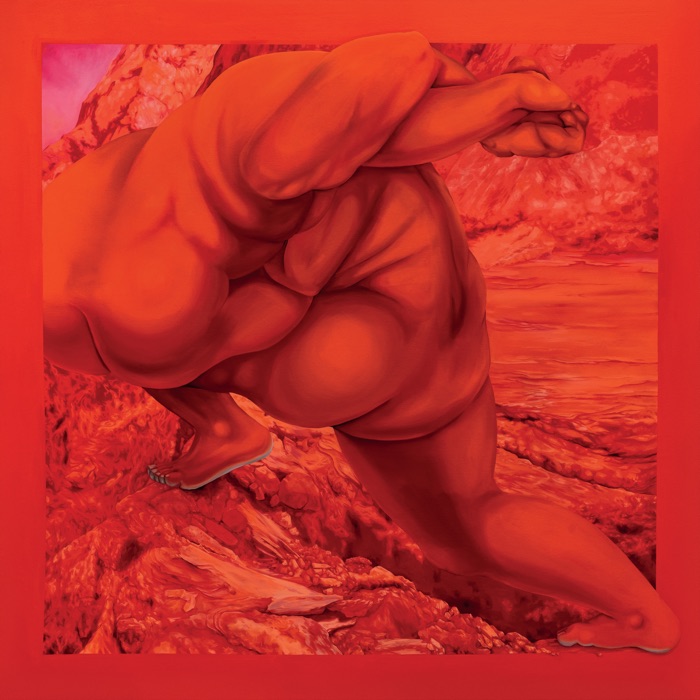
Lekman wrote and produced all of it. Daniel Fagerström mixed, Paul Mahern mastered, Alexander Palmestål made the sleeve, and Secretly Canadian puts it out on 3 July 2026, with a Secretly Society club edition of the vinyl alongside. The pressing lists its style as acoustic, which is honest about a catalogue built on guitar, samples and strings. The change is in the personnel. Sargren sings on four tracks, Oren joins her on one, and a man who has spent two decades singing about weddings lets the couple answer back.
Seventeen tracks, then. They open on 'The First Lovesong' and close on 'The Last Lovesong', a matched pair that announces the shape. The rest is mostly portraiture: a tuxedo sewn for two, a wedding in Brooklyn, a wedding in Leipzig, a pier on the Hudson. The words arrive in the register he built his name on, romantic and melancholic in the same breath, jokes parked where the sadness is. One writer and one producer is a credit that shapes a record like this one: monologue until the guests show up.
'Two Little Pigs' is the fourth track and Sargren's first appearance, and it is where the album stops being one man addressing a room. 'Speak To Me In Music' is the longest song before the Leipzig one, and the only title here that reads as a plea rather than a scene. 'I Want To Want You Again' is the single track carrying both guests, which makes it the closest this record gets to the thing itself: two people and a third voice, taking turns.
The back half travels. 'GOT-JFK' and the very short 'LEJ-GOT' read like a route through Gothenburg, New York and Leipzig, and they sit either side of 'Wedding in Brooklyn' and the ten-and-a-half-minute 'Wedding in Leipzig', the album's centre of gravity and the one song here that will not work as background at a reception. Later, 'On a Pier, On the Hudson' and 'You Have One New Message' are Sargren's third and fourth turns, and the record returns to her voice more often than it returns to any city.
Keep it for the converted first, and for anyone assembling a wedding who wants a song that admits the doubt along with the vows. Its neighbours are Jonathan Richman, whose influence Lekman has never hidden, and the neat, wordy pop of Belle & Sebastian and Stephin Merritt, names he has been set beside for twenty years. If what you want from him is the sample-heavy side of the catalogue, this quieter, longer record will ask for patience.
The length is the flaw. Seven songs would be a wedding; seventeen is a reception, and by 'Just For One Moment' the album has made its point several times and the running order is not hiding it. 'LEJ-GOT' is the padding in plain sight: a scrap of runway between the long Leipzig wedding and 'You Have One New Message', sitting exactly where an interlude goes and doing exactly what an interlude does, which is less than the song it delays.
Still, the guests earn their place, and 'Wedding in Leipzig' is the track that will outlast the season it was written for. A 3.5: a strong record with a small ambition, one man handing his best idea to the people it was written for. Start there and decide from there.