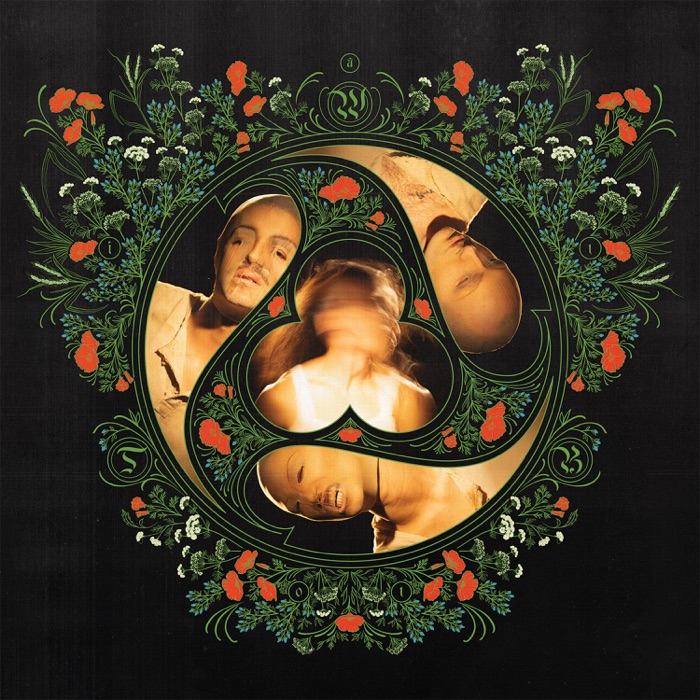
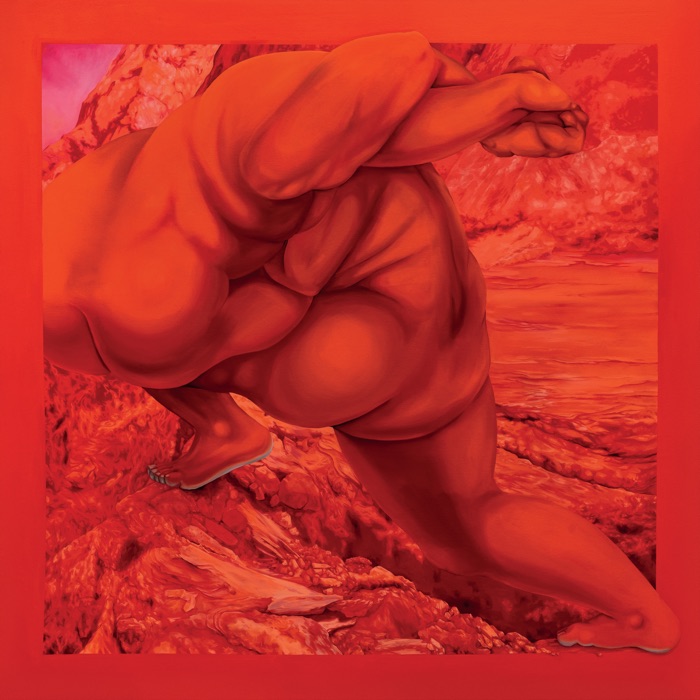
Cathedral: John Carpenter scores his own graphic novel, guitars first
The trio's first score written for a graphic novel, and the heaviest of their Sacred Bones run. The short cues are where it thins out.
BY JOLT Staff · AUG 7 2026 · 3 min readCathedral is the heaviest record John Carpenter, Cody Carpenter and Daniel Davies have made, and the loosest. Guitars first, synths and strings underneath, no singer, and a story sitting behind it in a graphic novel. Five of the fourteen tracks are sketches that lean on that book. The rest stand up on their own, and loudly.
Carpenter's scores for Halloween, The Fog and Assault on Precinct 13 are the reference point Cathedral keeps arguing with. The atmosphere holds, the lean into the next beat holds, and the guitars reach far past where those films put them. The Lost Themes records were built as scores to films that did not exist. Cody Carpenter and Daniel Davies have been in the room for that whole run, and every one of those records arrived on Sacred Bones. This one does too.
“In other words, put this thing on and imagine you're watching a movie. That’s what we want you to do.”
Cathedral scores the first original graphic novel Carpenter wrote, made with Sandy King and Sean Sobczak and published by Storm King Comics. Each track maps to a section of the book, and the liner notes carry a prompt for each one. The story involves an abandoned cathedral, a murder, and something old living under downtown Los Angeles. It grew out of a dream he had in 2024, and he has not oversold the difference: "This is somewhat different sounding stuff that we've done, but it's done with the same desire in mind." Sacred Bones released it on August 7.
Credit the band for the weight. Scott Seiver plays drums, Niall Ferguson cello, Kiara Ana violin and viola, and Davies and John Spiker mixed it. The pace is quick and the mood stays dark. The riffs land hard, and the keyboards work as weather, not melody. When strings and synths converge, as they do on Abandoned Cathedral, the record sounds like a large room with something moving in it.
Primeval opens with five minutes and thirteen seconds of guitars at the front, coiling and striking instead of stating a theme, and it sets up everything after. Abandoned Cathedral is the shortest piece here, synths and strings meeting before either has time to settle. Elevator puts the guitars back at the front, and Elevator Two follows it. Desolation in the Underworld hands the lead to the synths and stays ominous about it.
The back half is where the record opens up. The Mapmaker introduces a figure in a couple of minutes, and Death of the Mapmaker answers it with the synths out front and the tone turned plaintive, the closest the album comes to mourning. The Ferryman follows. Lord of the Underground is the heaviest stretch here and the one guitar players will replay, and Back to Ruins, Revenge and Resolution close the arc in order, like chapter headings. The vinyl adds two live cuts recorded at the Belasco Theatre.
This is for people who wore out the Lost Themes records and wanted them louder, and for anyone who works with heavy instrumental music on. It is also for readers of the book: keep it open on the table and let the prompts line up with the tracks. Anyone who needs a voice in the mix, or wants something for a party, should look elsewhere.
The flaw is the connective tissue. The short pieces are cues, and cues want the page they belong to. Heard on their own, several pass without leaving a mark, and the middle sags exactly where the pieces get smallest.
The best of it is still the loudest thing this trio has put its name to, and the volume is earned. That is a 3.5: heavy where it counts, hollow where it hurries.