Joy Oladokun carries the past on Hope Is A Heavy Thing
Twelve songs written in the back of a moving tour bus, finished between Nashville and New York, built from the solo version first. They are about the past, and about carrying it.
BY JOLT Staff · OCT 6 2026 · 3 min readHope Is A Heavy Thing is twelve songs about carrying the past instead of shutting it out. It lands September 25 on Concord Records, after Observations from a Crowded Room (2024). The longest of the twelve, Don't Call Me Baby, runs 4:21.
Oladokun grew up in Casa Grande, Arizona, the daughter of Nigerian immigrants, singing in a church she later left because it capped what she was allowed to make. A Tracy Chapman video when she was ten put a guitar in her hands. After college came Los Angeles, then East Nashville, then a signing with Prescription Songs. Cathedrals arrived in 2015 and Carry in 2016 on a Kickstarter budget. The two In Defense of My Own Happiness records made her name: Sunday in 2019, saying out loud that you can be queer and happy and holy, then Mercy and I See America taking American racism head on through 2020. Proof of Life followed in 2023 with Chris Stapleton, Noah Kahan, Manchester Orchestra and Mt. Joy aboard, then Observations from a Crowded Room. In August 2024 she opened four North American dates for Hozier.
“to understand your future you have to confront your past…”
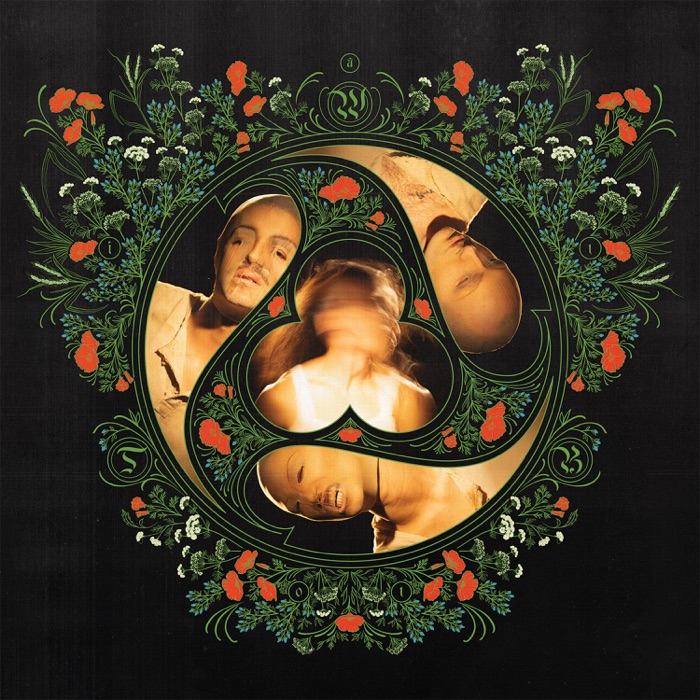
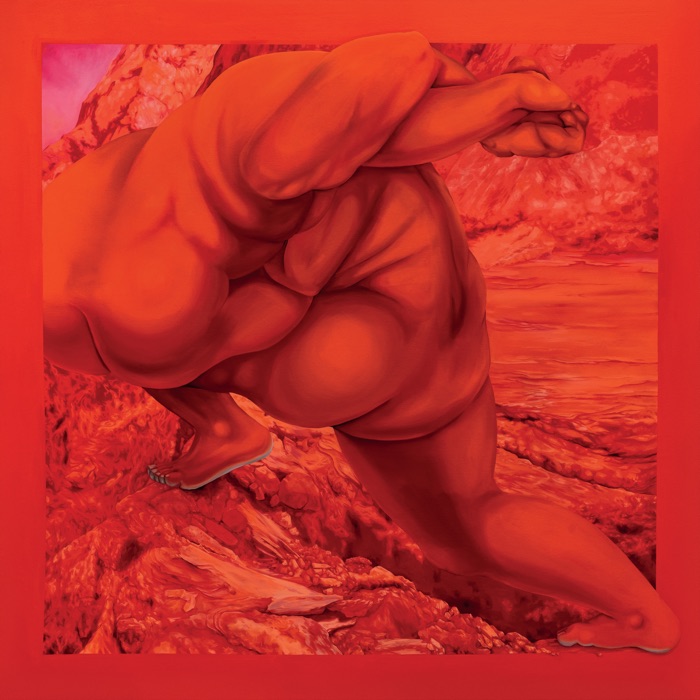
The record was written in the back of a speeding tour bus and produced between Nashville and New York. Cymone Wilder made the cover, Lisa Glines the package. Austin Hans Seegers and Jharis Yokley both play drums, Alvin Malone plays keyboards. Adekunle Gold takes the one feature. Neal Pogue and Pedro Calloni split the mixing, and Mike Bozzi is credited with the master. The bones of it are older than the sessions. Most of these songs started as voice and guitar, which is why she marked the release with a solo acoustic night at Ellen's, inside Camden's KOKO: no phones in the room, with Jika Edström drawing the set in real time.
To understand your future you have to confront your past, she has said, and the record is arranged around that sentence. It runs intense in places and joyous in others, and the sequencing leans on the gap between them: an opening reintroduction, a run of addresses, then a whole side where the end of the world and the body have to share space.
Raised By The Radio (A Reintroduction) opens the set with the parenthetical doing the honest work, an artist introducing herself again to a room that believes it already has her number. Dear Maria and Easy Company follow, then Kind and TOGIAIM, and Sage closes the first half on a single word. Kind and Sage are virtues, and the record trusts you to sit with them.
The End Of The World opens the second half, and Zombie and Toothache follow in the same register of complaint: the apocalypse, the walking dead, a nerve. Don't Call Me Baby runs longest on the record and reads as the release valve after ten songs of weight. Time Is A River shuts it down without a reprise or a long fade, stating the last idea once and leaving it where it falls.
It is for the people who found her through those Hozier dates, through Nashville writing rooms where a verse has to carry its own weight, or through the church-choir instinct under everything she does. Anyone hoping for the studio scale of Proof of Life's guest list should adjust their expectations: this one is built from the acoustic take first, because that is the version she chose to perform in London. Play it in one sitting, phone face down.
The flaw is in the language. The title states the thesis, the quote states it again, and that leaves two songs, Kind and Sage, holding a virtue up to the light with nothing to push against. Kind spends its whole length defining a word the rest of the record had already shown you. It would be braver to trust the named people in the tracklist, Maria, the company, the baby in the last title, to carry the idea without the abstract nouns along for company.
Everything around that flaw is deliberate: twelve songs written on a moving bus, sequenced as a round trip, played solo first and built up second with drums, keys and one guest. It is a good record that occasionally explains itself when it could just sing.