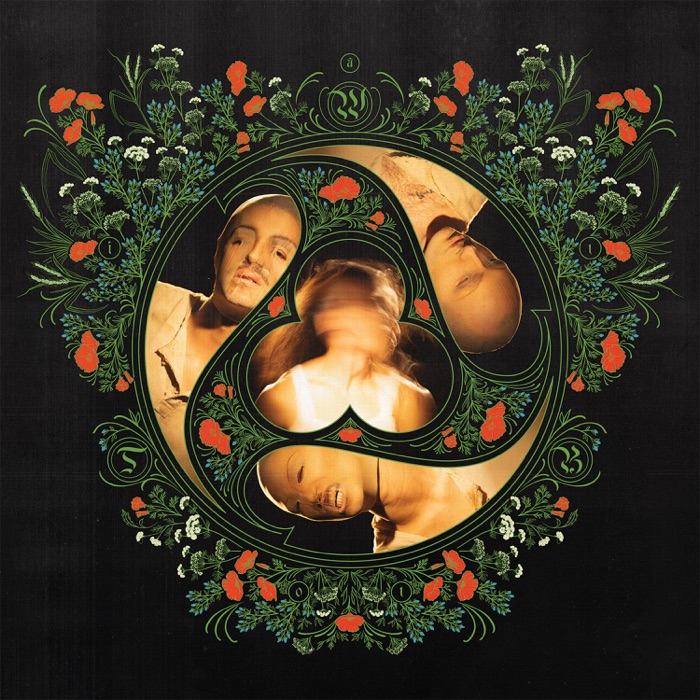
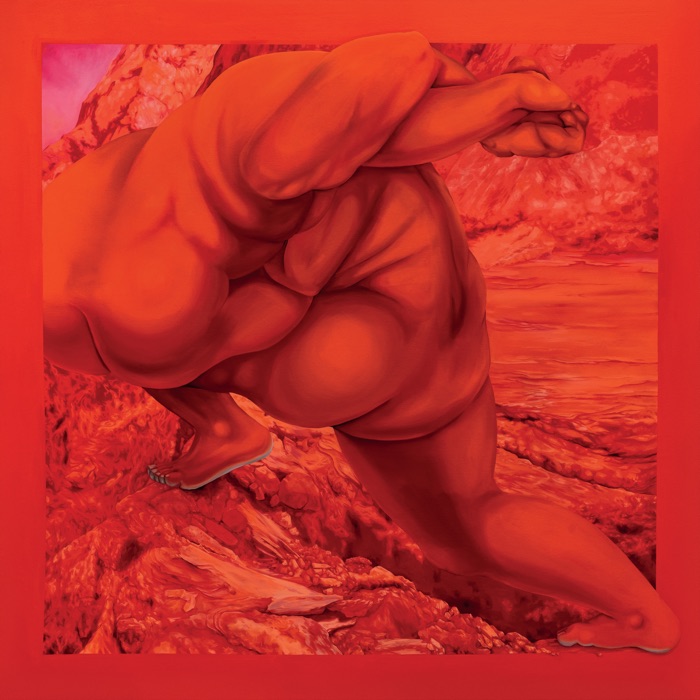
Max Subar's Anything Could Be: small songs, open questions
Max Subar's 11-song Merge release runs a tight 38 minutes and trusts plain titles to carry the weight.
BY JOLT Staff · JUL 17 2026 · 1 min readAnything Could Be, Max Subar's Merge release from July 17, is an 11-song record that runs about 38 minutes and gets its power from plainness. The titles are ordinary words placed in a careful order, with no capital-letter drama and no manifesto: 'See Saw,' 'Cat at My Door,' 'History,' 'Words Unkept.' The album says one large thing in its title, then spends its runtime testing whether small things can support it.
The running order matters. The title track opens at 4:35, the longest song here, then the sequence narrows and widens: 'See Saw' is 2:38, 'Like You've Known It' 4:13, 'Way Up' 4:07. The shortest track, 'The Day Will Be New,' closes the album at 2:13. A listener can see the arc from a measured beginning to a brief, hopeful ending. A record about possibility should not sprawl; this one stays close to the ground.
The best choices commit to modesty. 'Cat at My Door' and 'As the Weather' point at domestic moments and let the listener finish them. 'I Never' and 'Words Unkept' carry doubt without explaining it. The final title answers the doubt with open weather: 'The Day Will Be New.' On paper, that is a coherent emotional story, and the label context only sharpens the expectation. Subar earns that expectation by keeping the record tight, 11 songs and no excess.
The flaw is the risk that modesty becomes vagueness. 'Everything Is' is a title so broad it could mean anything; 'I Never' lacks its object. In the middle of the record, three songs around three and a half minutes could blur together if the writing does not do the work the titles leave undone. We cannot hear the details from a tracklist. But structure and title writing hold. This is a 3.5 record: good, careful, and a little too polite in the center. The last song is its best argument: it saves the smallest statement for last.